0

jyoti

jyoti

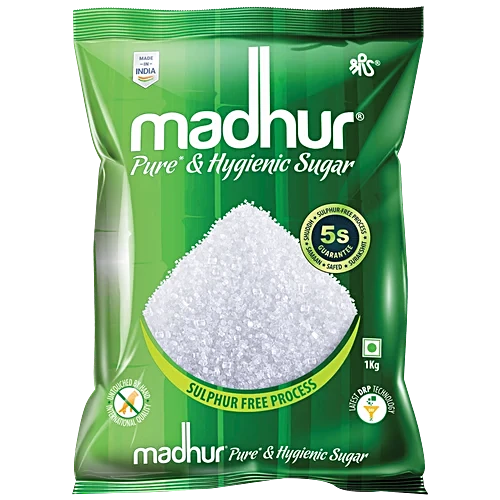
SUGAR

(0) 0 Reviews

₹45

₹50

Sugar is a simple carbohydrate (sucrose, glucose, fructose) derived from plants like sugar cane and beets, providing quick energy ( ). While naturally present in fruits and dairy, added sugars in processed foods—like soda, candies, and sauces—contribute to obesity, diabetes, and tooth decay. Healthline Healthline +3


Quantity:

Sugar is a sweet-tasting, soluble carbohydrate, primarily found as monosaccharides (glucose, fructose) or disaccharides (sucrose, lactose, maltose). Used heavily in food for sweetness, texture, and preservation, it is derived from sugarcane, sugar beets, and fruits. It provides rapid energy (approx. 4 calories per gram) but high consumption is linked to health issues like obesity and diabetes.
Key Characteristics and Types
  • Chemical Structure: Sugars are carbohydrates containing carbon, hydrogen, and oxygen. Simple sugars are single molecules (monosaccharides), while compound sugars are pairs (disaccharides).
  • Sucrose: The common "table sugar" is produced from plant juices and is a combination of glucose and fructose.
  • Forms: Sugar exists as white granulated sugar, raw sugar, brown sugar, honey, and corn syrup.
  • Physical Appearance: It forms in distinct, ordered, sweet-tasting crystalline structures.
Roles and Effects
  • Culinary Purpose: Besides adding sweetness, sugar adds volume, aids in browning, acts as a humectant to keep foods moist, and acts as a preservative against mould.
  • Metabolism: Sugars are broken down into glucose for use as a primary energy source in the body.
  • Health Impact: Excessive consumption can contribute to health problems like obesity, metabolic syndrome, tooth decay, and cardiovascular diseases.
Industrial Context
  • Production: Extracted from sugar cane or beet, then purified and refined.
  • Labeling: Food labels often mark high sugar content; green signifies low, and red indicates a high amount of sugars
Write a review:
Sugar is a simple carbohydrate—typically sucrose, glucose, or fructose—providing quick energy (
) but no essential nutrients. While naturally occurring in fruits and dairy, added sugars in processed foods are linked to obesity, type 2 diabetes, and cardiovascular disease. Health guidelines recommend limiting added sugar to less than 10% of daily calories.
Key Sugar Information & Types
  • Added Sugars: Sugars added during processing (e.g., sucrose, high fructose corn syrup, honey).
  • Naturally Occurring Sugars: Found in fruit (fructose) and milk (lactose), packaged with fiber or protein.
  • Common Types:
    • Sucrose: Table sugar (glucose + fructose).
    • Glucose: Primary energy source for body cells.
    • Fructose: Fruit sugar.
    • Lactose: Milk sugar.
  • Hidden Names: Labels may list added sugar as molasses, corn sweetener, raw sugar, syrup, or fruit juice concentrates.
Health Impact & Recommendations
  • Recommended Intake: The FDA suggests limiting added sugars to 50 grams per day based on a 2,000-calorie diet.
  • Health Risks: High consumption is linked to obesity, metabolic syndrome, fatty liver, and type 2 diabetes.
  • Dental Health: Sugar contributes to tooth decay.
Natural vs. Added Sources
  • Avoid/Limit: Soda, candy, baked goods, sugary cereals, and processed snacks.
  • Good Choices: Whole fruits and dairy, which provide nutrients alongside natural sugars.
Common Misconceptions
  • Brown Sugar/Honey: Often perceived as healthier, these are considered "added sugars" by the FDA because they provide similar calories and metabolic effects to white sugar.
  • Total vs. Added Sugar: Nutrition labels list "Total Sugars," which includes both natural and added. Always check the "Includes Added Sugars" sub-label.
+