0

jyoti

jyoti

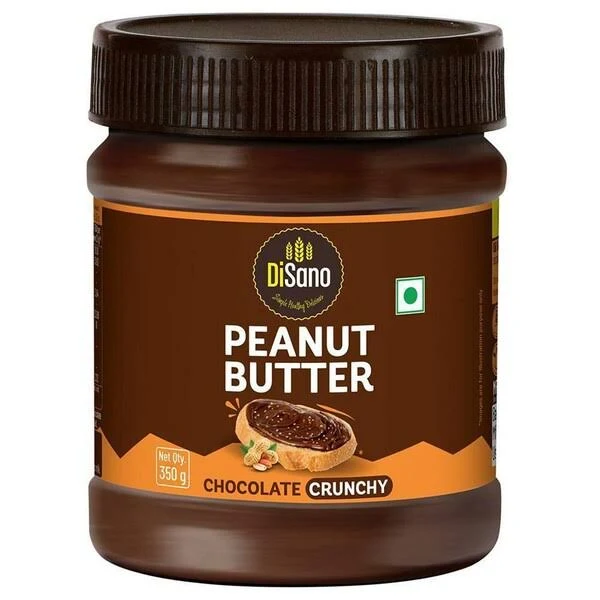
Peanut Butter

(0) 0 Reviews

₹95

₹100

Peanut butter is a nutrient-dense food paste made from ground, dry-roasted peanuts, often serving as a popular source of plant-based protein. It is widely used as a spread, in smoothies, or in baking, loved for its creamy texture and rich, nutty flavor. The Peanut Institute The Peanut Institute +4 Key Nutritional and Health Facts: High Protein & Healthy Fats: A 2-tablespoon serving (32g) provides roughly 8 grams of protein and 16 grams of fat, mostly heart-healthy monounsaturated and polyunsaturated fats. Nutrient Dense: It is rich in Vitamin E, Niacin (B3), Magnesium, and Copper.


Quantity:

Peanut butter is a popular, nutrient-dense food paste made primarily from ground dry-roasted peanuts, characterized by a thick, spreadable texture. It is a rich source of protein, healthy fats, and fiber. Common varieties include smooth and crunchy, with ingredients often including salt, sweeteners, and hydrogenated oils to prevent oil separation.
Key Aspects of Peanut Butter:
  • Composition: In the U.S., legally required to be at least 90% peanuts. It typically contains 50%–60% peanut particles suspended in oil.
  • Types:
    • Natural:
       Contains only ground peanuts and sometimes salt; requires stirring.
    • Conventional: Includes added hydrogenated vegetable oils (to prevent oil separation), sugar, and molasses.
    • Powdered: Roasted peanuts with oil removed, offering a lower-calorie alternative.
  • Texture/Flavor: Creamy or crunchy paste with a nutty, savory taste.
  • Uses: Widely used as a spread on bread, crackers, and fruit; popular in smoothies, baking, and cooking.
  • Nutrition: High in protein and healthy fats, but also high in calories.
Common Additives:
While pure peanut butter is just peanuts, commercial brands may add sugar for flavor and emulsifiers to keep the oil and solids mixed
Write a review:
Peanut butter is a nutrient-dense spread rich in healthy fats, plant-based protein, and essential nutrients like Vitamin E, magnesium, and niacin. It promotes heart health, helps control blood sugar, and supports satiety, making it an effective weight management tool when consumed in moderation.
Nutritional Profile & Benefits
  • High Nutrition: A 100g serving offers 22.5g of protein, high levels of vitamin E, B3, B6, and minerals.
  • Heart Health: Rich in oleic acid and antioxidants, it lowers bad cholesterol (LDL) and increases good cholesterol (HDL).
  • Energy & Muscles: Provides sustained energy and supports muscle repair after exercise due to high protein content.
  • Weight Management: Protein and fiber content helps increase feelings of fullness, reducing overall calorie intake.
  • Nutrient Density: Contains magnesium, potassium, iron, and zinc.
Production & Selection
  • All-Natural Choice: Opt for natural peanut butter containing only peanuts (and perhaps salt) to avoid added sugar and hydrogenated oils.
  • Nutrient Powerhouse: Contains healthy fats, which are approximately 
     of its calories, but this includes monounsaturated and polyunsaturated fats.
History & Safety
  • Origin: Patented in 1884 by Canadian pharmacist Marcellus Gilmore Edson, it was later popularized as a soft protein source for patients with poor teeth.
  • Safety Note: While low in moisture, peanut butter can allow Salmonella to survive for extended periods if contaminated.
Usage Tips
  • It is incredibly versatile, fitting into breakfast, lunch, dinner, and desserts.
  • Because it is calorie-dense (approx. 588 kcal per 100g), moderation is recommended.
+